
Black Nail Polish, A$AP Rocky, and the Quiet Politics of Being Seen
On dandyism, masculinity, and why style is never neutral for Black men.

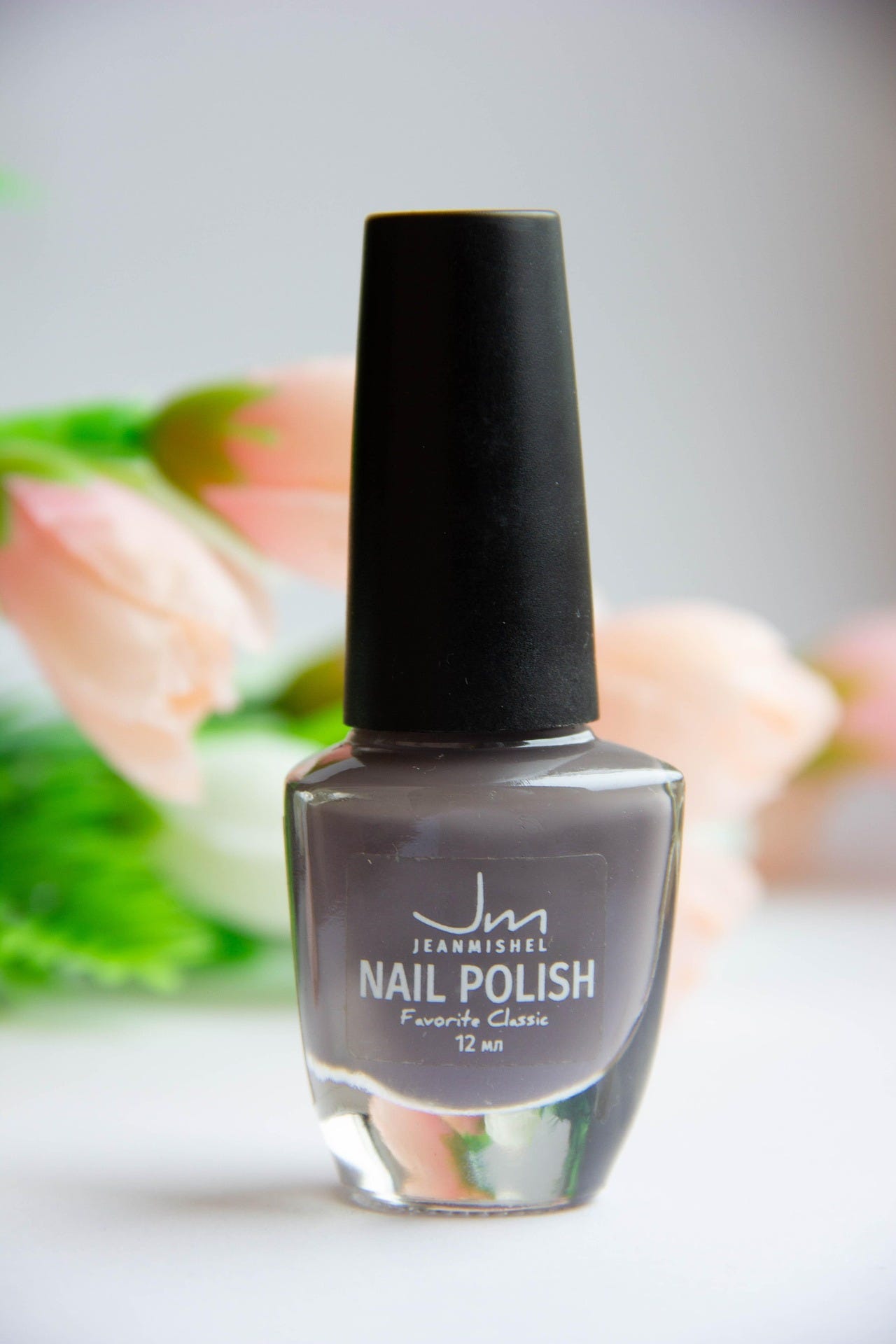
Photograph by Tanatos330
Episode 04
Popcaster’s note:
This piece began as a question about personal style and ended up somewhere deeper. It reflects on Black dandyism, masculinity, and the risks attached to visibility, using A$AP Rocky’s recent album cycle as a cultural backdrop rather than a focal point.
I told myself the black nail polish was just an emo relapse.
A midlife reset button.
Something cosmetic enough to explain away.
Then A$AP Rocky dropped Don’t Be Dumb around the same time I started painting my nails, and the overlap felt louder than coincidence. Not because Rocky invented anything. He didn’t. But because he made something old visible again, right when I was circling it from a distance.
I had been reading about Black dandyism for years. Studying it. Admiring it. Treating it like an archive instead of a practice.
Turns out the space between knowing and doing is where the real work lives.
Black dandyism was never about clothes
Black dandyism is a tradition of self-definition through intention, elegance, and visibility. It emerged when Black men used dress to claim dignity in spaces designed to deny it.
This is not trend culture.
This is not luxury worship.
It is posture. Precision. Care.
The Black dandy does not dress to blend in. He dresses to assert authorship over how he is read. Clothing becomes language. Each detail is chosen. Nothing is accidental.
That lineage runs long. Julius Soubise. James Baldwin. André 3000. Prince. André Leon Talley. The names shift, but the pattern holds.
When the world insists on flattening you, style becomes a way to refuse reduction.
And importantly, this tradition has always thrived under constraint. Not abundance. Constraint.
Why fashion is never neutral for Black men
Fashion feels political for Black men because their bodies are already being interpreted before they speak.
A hoodie reads as threat.
A tailored suit reads as suspicion.
Dressing down invites assumptions.
Dressing up invites scrutiny.
There is no neutral outfit.
Clothing influences how closely you are watched, how seriously you are taken, and how quickly you are punished for missteps. That reality turns style into strategy.
Not freedom exactly. But leverage.
Black dandies understood this early. When power was unavailable, presentation became one of the few tools left to negotiate it. The tradition persists because the conditions that created it have not disappeared.
Why men wearing nail polish hits different on Black bodies
Men wearing nail polish is less taboo now. Masculinity is widening. Younger generations are less invested in rigid gender codes. Celebrities and musicians have made experimentation visible.
But for Black men, painted nails land differently.
There is a longer history here. Prince in heels. Little Richard in makeup. Rock, hip hop, and funk have always bent these lines. The culture just forgets that part when it becomes convenient.
I framed my black nail polish as a phase because that felt safer. Temporary. Explainable. But the truth was harder to ignore.
I wanted Black dandyism to be part of my personal brand long before I touched the polish. I just didn’t know how to claim it without feeling like I was performing someone else’s confidence.
The polish was small. Low risk. But it cracked something open. Once I stepped through, I realized the real question was not aesthetic. It was permission.
Was I allowed to be seen this way?
What A$AP Rocky actually represents
A$AP Rocky does not dress like someone asking for approval.
He moves between tailoring, streetwear, softness, and spectacle without explanation. Skirts. Pearls. Fur. Precision. Ease.
That ease matters.
Rocky did not invent this fluidity. He inherited it. But his visibility makes the tradition legible again for people who never learned the history. He functions as a bridge, not an origin.
What makes his fashion political is not shock value. It is refusal. He does not translate his choices into justification. He simply exists in them.
Seeing that mattered to me. Not because I want to dress like him, but because it reminded me that this lineage is still alive.
Black dandyism does not require money
This part gets misunderstood constantly.
Black dandyism is not expensive. It is intentional.
The tradition was born under scarcity. Enslaved and newly freed Black men made limited resources last. One good suit. Polished shoes. Repetition. Care.
Fit matters more than labels. Maintenance matters more than novelty.
Limited funds shape my own approach. I buy fewer pieces. I repeat silhouettes. I repair instead of replace. Constraint forces clarity. That is not a limitation. That is the practice.
The myth that dandyism requires wealth keeps people from engaging with it at all. The truth is simpler. You likely already have what you need. You just have to use it deliberately.
When style becomes part of a personal brand
Black dandyism can be part of a personal brand, but only if it reflects who you are rather than who you think you should perform as.
When it becomes costume, it collapses.
I hesitated for years because I worried it would look like I was borrowing an identity instead of living one. The nail polish forced that confrontation. Was this attention seeking, or was it alignment?
The answer is still in progress.
Personal branding is not about having clarity upfront. It is about being honest while clarity forms. Black dandyism gives me a framework to think about visibility, risk, and self-authorship, not a finished look.
You cannot shortcut the study. You have to know what you are inheriting before you claim it.
I am still uncomfortable. That feels right.
I still wear the black nail polish. Some days it feels grounded. Other days it feels premature, like I am reaching toward something I am still earning.
That discomfort is the point.
Black dandyism is not about arrival. It is about ongoing negotiation between who you are and how you are read. Between safety and self-definition. Between visibility and consequence.
Rocky’s album dropped. My nails were painted. The timing felt meaningful even if it was accidental.
Maybe that is how traditions survive. Someone makes the invisible visible again. Someone else sees it and decides to try. The lineage continues through participation, not perfection.
I do not have answers. I have better questions now.
What does it mean to claim space through style?
What risks are worth taking when visibility has consequences?
How do you honor a tradition without freezing it?
The answers keep shifting.
The questions remain.
Thanks for Reading
Buy Me A Coffee |Gumroad| Medium