
Branding vs Algorithms: Why AI Exposes Weak Voices
Automation did not kill your brand. It stopped covering for weak thinking and borrowed language.

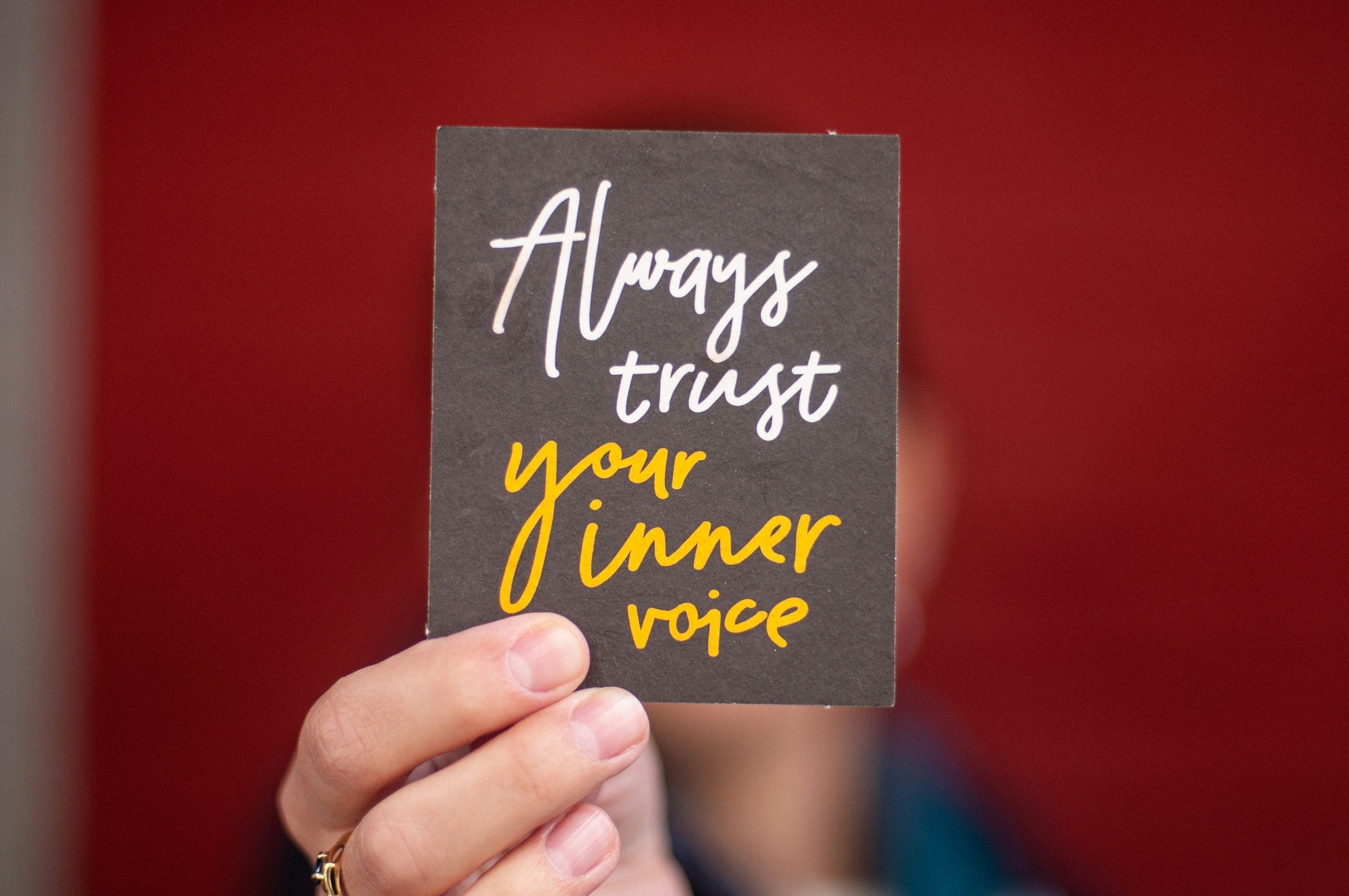
Photo by Giu Vicente on Unsplash
Automation did not kill your brand.
It stopped covering for weak thinking and borrowed language.
AI promised leverage.
It delivered sameness.
Everyone automated their content calendars.
Suddenly, nobody sounds alive.
The algorithm did not create this problem.
It revealed who never showed up in the first place.
What people mean when they say “AI ruined branding”
When solopreneurs complain about losing their brand voice to AI, they are usually describing the same symptoms:
Content sounds correct, but hollow
Messaging feels interchangeable
Tone survives, but the point of view disappears
The conclusion is wrong.
AI does not erase voice.
It amplifies whatever was already there.
If your brand sounds generic after automation, the weakness existed before the tools. You were compensating with effort and time. AI removed the compensation.
The real battle is not branding vs algorithms
Algorithm incentives are simple:
Algorithms reward consistency over experimentation
Automation rewards convenience over deliberation
Neither rewards meaning by default
People ask, “Why does AI content start sounding the same?”
Because most brands feed the same vague instructions into the system. They ask for engaging and professional without ever defining what those words mean for their worldview, their audience, or their values.
The algorithm optimizes for patterns it recognizes across millions of inputs.
The algorithm is not your enemy.
It is a mirror with no sympathy.
Where automation helps without diluting the voice
Not all marketing work deserves your judgment. Some of it genuinely benefits from speed.
Safe zones
Research aggregation
Outlines and structural frameworks
Scheduling and basic formatting
Data analysis and reporting
Caution zones
Initial idea drafting
SEO optimization language
Email subject lines
Social captions
No-go zones
Point of view
Cultural framing and references
Values and boundaries
Stakes and why something matters
Automation removes friction, not judgment.
When you outsource judgment to a tool, you hand over the only thing people actually pay attention to.
Why older solopreneurs feel this tension more sharply
If you built a brand before platforms owned distribution, you learned voice through repetition. You wrote badly. Then less badly. Then clearly. Trust was earned slowly.
You also remember past tech promises.
The blog gold rush.
Social media gurus selling organic reach.
Every tool claimed to amplify your voice while quietly forcing you into its format.
AI follows the same pattern. It promises efficiency, but conformity is the price of scale.
Speed feels like progress until you realize you are running in place.
This skepticism is not technophobia. It is pattern recognition.
The litmus test no tool can pass for you
Ask this about any piece of content:
Would any competent brand in my industry publish this exact thing?
If yes, automation went too far. You produced correct information with zero advantage.
If no, AI was used correctly. You protected the perspective people follow you for.
People ask, “How much automation is too much?”
It is never about volume.
It is about interchangeability.
You automate the scaffolding.
You keep the specificity.
The uncomfortable takeaway
AI did not weaken brands.
It removed the excuses.
Before automation, time was the reason content stayed generic. Better thinking was something you would get to later. The tools arrived. The quality stayed flat.
AI is not stealing loyalty.
It is auditing whether you earned it.
Most “personal brands” were borrowed frameworks and safe opinions. Automation exposed how similar they always were.
The opportunity is not better prompts.
It is finally developing the point of view you claimed to have.
Your audience does not follow you for correct information.
They follow you for how you see things differently.
AI handles the first part.
You are still responsible for the second.
If automation makes your brand disappear, you never had one.
You had a content production habit.
Thanks for Reading
Buy Me A Coffee |Gumroad| Medium