
How Jerry Springer Prepared Gen X for the Age of Algorithms
Gen X learned to question what looked normal long before social media. Daytime talk shows taught an unexpected lesson about authenticity. Today's algorithms reward the same spectacle

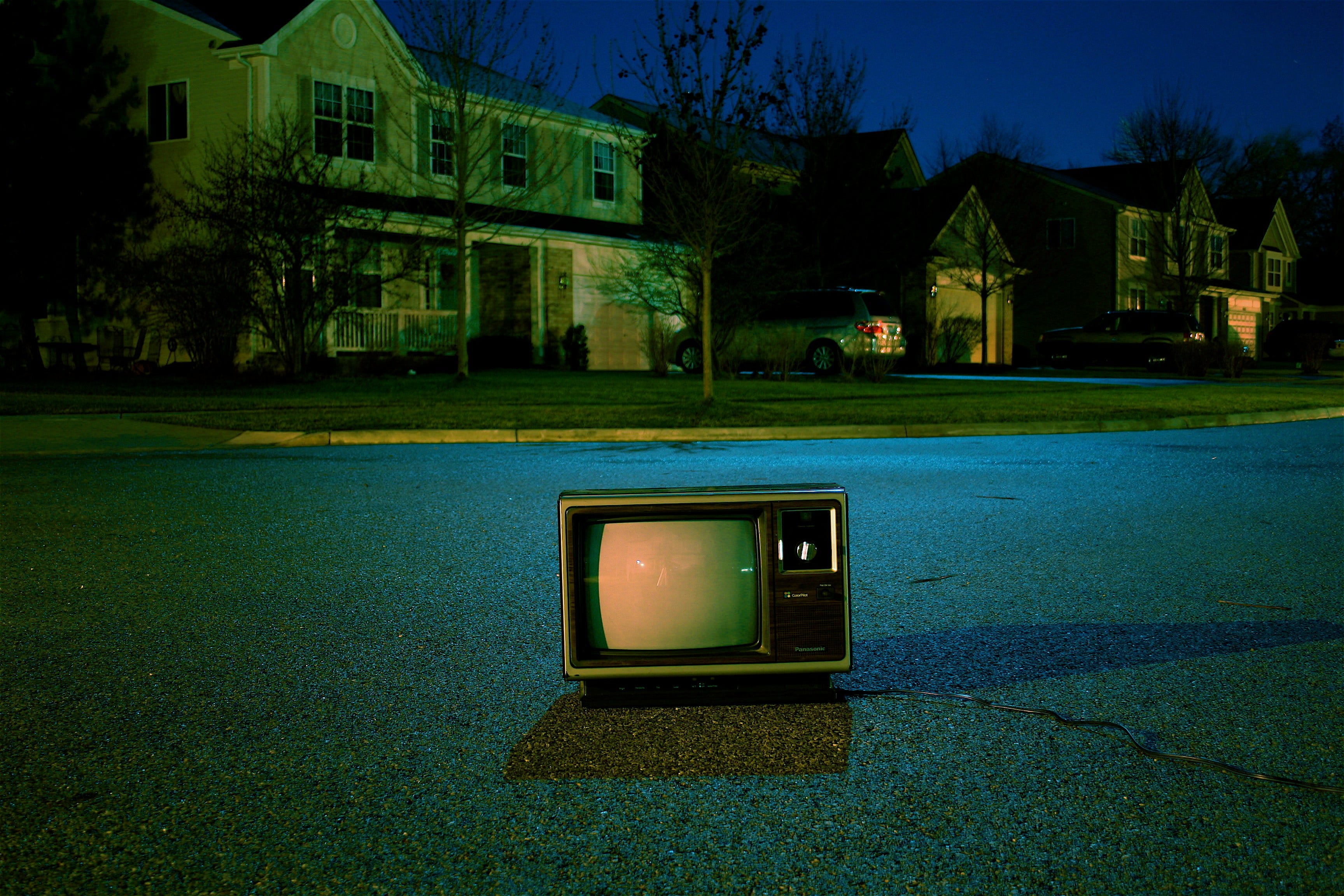
Photo by Frank Okay on Unsplash
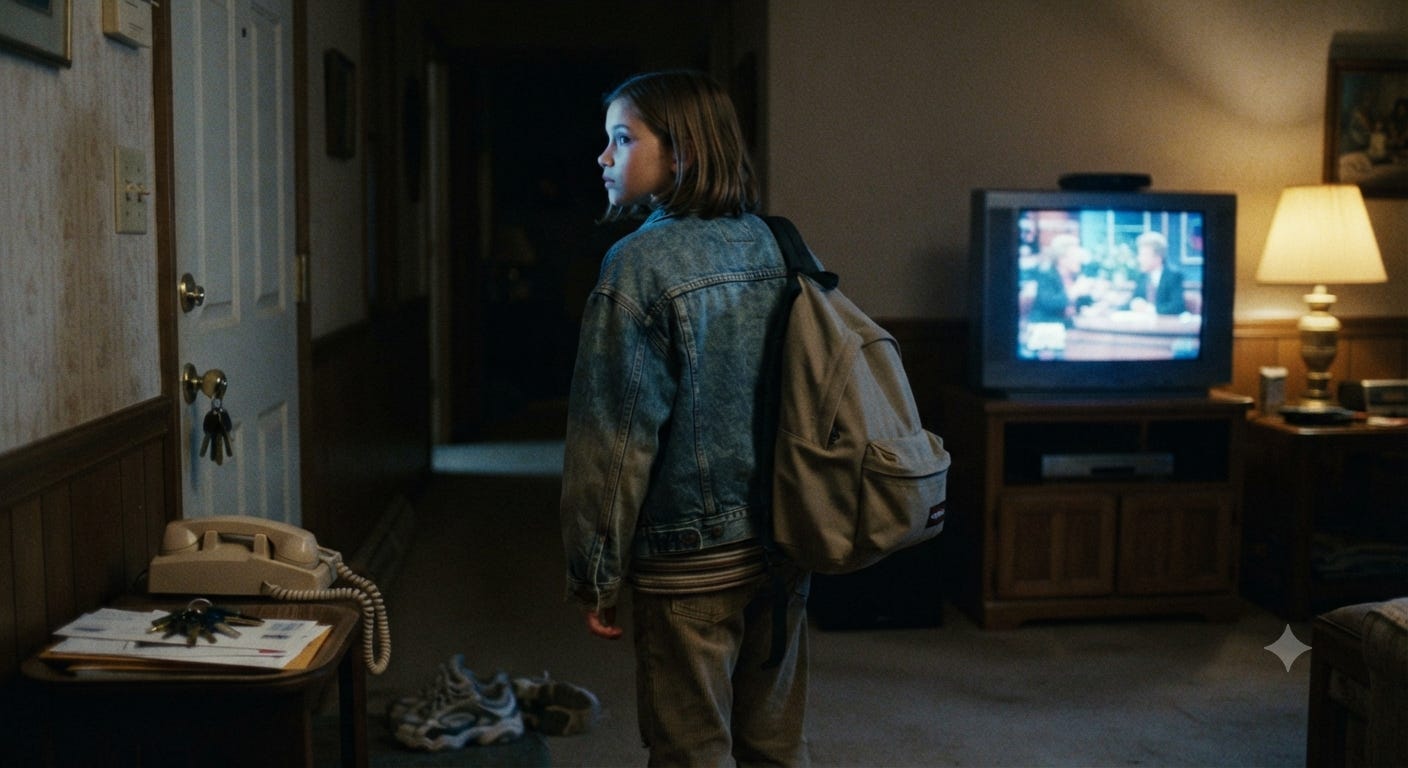
The front door stuck a little. It always did in winter. I’d wrestle the key out of my backpack, let myself into a house with no one home, and turn on the television before I took off my coat.
That was the routine. Millions of us had a version of it. Nearly 40% of Gen X grew up as latchkey kids, home alone for hours between the final school bell and a parent’s headlights in the driveway. Divorce rates had climbed. More mothers were working outside the home. The result was a generation raised, in part, by daytime television.
Television filled the silence. It also became a teacher, though not the kind anyone signed up for.
The Circus in the Afternoon
By the time I was old enough to work the remote myself, the talk show had become the dominant genre of the after-school hour. Oprah Winfrey. Geraldo Rivera. Sally Jessy Raphael. Jerry Springer, once the ratings wars really heated up.
The formula rarely changed. A guest walked out with a secret. A family member walked out to confront them. A fight nearly broke out. A studio audience gasped, jeered, or cheered on cue. The show cut to a commercial at the exact moment tension reached its peak.
I watched it the way most kids watched it: as entertainment. It took years to notice what the shows were actually selling.
Talk show guests were not typical people having typical days. They were, more often than not, exceptional cases pulled from an enormous population and placed under studio lights because their story was rare enough to hold an audience. Sociologist Joshua Gamson made this case at length in Freaks Talk Back, his study of tabloid talk shows and the guests who appeared on them. The genre gave real visibility to people who had none elsewhere. It also depended on the extremity involved. Ordinary life doesn’t test well in a green room.

That’s the part nobody explains to a nine-year-old watching alone in an empty living room. The screen shows you exceptional people and lets you assume they’re a sample. They’re not. They’re the selection.
Learning to Ask Why Something Was Shown
The shift in understanding didn’t arrive all at once. It built slowly, the way most real education does. At some point, watching Springer or Geraldo stopped feeling like watching life and started feeling like watching a show built to provoke a reaction. The chairs were positioned for confrontation. The pacing was engineered for a cliffhanger before the ad break. Nothing about it was accidental.
Once you see the machinery, you can’t unsee it. That recognition became a habit for a lot of us: a reflexive pause before accepting that what’s on screen represents what’s normal. I’ve written before about the habits Gen X built before algorithms existed to sort content for us, and this is one of the deepest ones. We learned, early and without instruction, that visibility is not the same thing as truth.
The Same Bias, Running at Scale

Social media algorithms didn’t invent the spectacle-over-substance bias. They automated it and gave it a feedback loop.
A platform’s algorithm doesn’t reward the representative post. It rewards the post that holds attention, and attention responds to extremity the same way a 1990s studio audience did. Researchers at King’s College London have studied how platform features and algorithmic design shape what audiences see and how they engage with it, and the pattern tracks closely with what talk shows discovered by instinct decades earlier. The system surfaces the outlier because the outlier performs. The typical, the boring, the accurate middle of the bell curve gets buried under content built specifically to interrupt a scroll.
Gen X didn’t become cynical by accident, and I’ve made that case in more detail elsewhere: Gen X became discerning, not distrustful for its own sake. Nielsen’s own research on the generation backs this up. Their advertising studies found that Gen X values authenticity more than younger cohorts do, responding to real situations rather than aspirational ones. That preference has a childhood behind it. It was built one Springer episode at a time.
The Authenticity Pause
Recognizing the pattern is only useful if it changes what you do with it. That’s the purpose of a framework I call The Authenticity Pause. Five questions, asked before you accept anything you see online as representative of reality.
Is this typical or exceptional? Most viral content is exceptional by design. That’s why it’s viral.
Why was this shown? Every feed has a business model. Every business model has an incentive.
Who benefits? Attention has value. Someone is collecting it.
What evidence is missing? A single clip, post, or headline is a fragment, not a full account.
Wait before deciding. Judgment formed in the first three seconds is usually judgment borrowed from the algorithm, not built by you.
None of these questions requires special expertise. They require a pause, which is exactly the skill that spectacle media is engineered to eliminate.
Applying the Pause to AI
The same five questions hold up against AI-generated content, and they matter more there, not less. A chatbot’s confident answer is not automatically a typical or accurate one. A generated image is not automatically a photograph of something that happened. An AI system optimized for engagement, like a talk show optimized for ratings, has every incentive to produce the compelling version of an answer rather than the accurate one.
This is where the Gen X habit becomes a genuine advantage instead of a generational punchline. A generation raised to distrust the studio lights is well equipped to distrust the model’s output too. Human judgment doesn’t disappear because a system got faster. If anything, faster systems make judgment more valuable, because there’s less time built into the process to catch a mistake before it spreads.
Coming Home to a Different Kind of Empty House
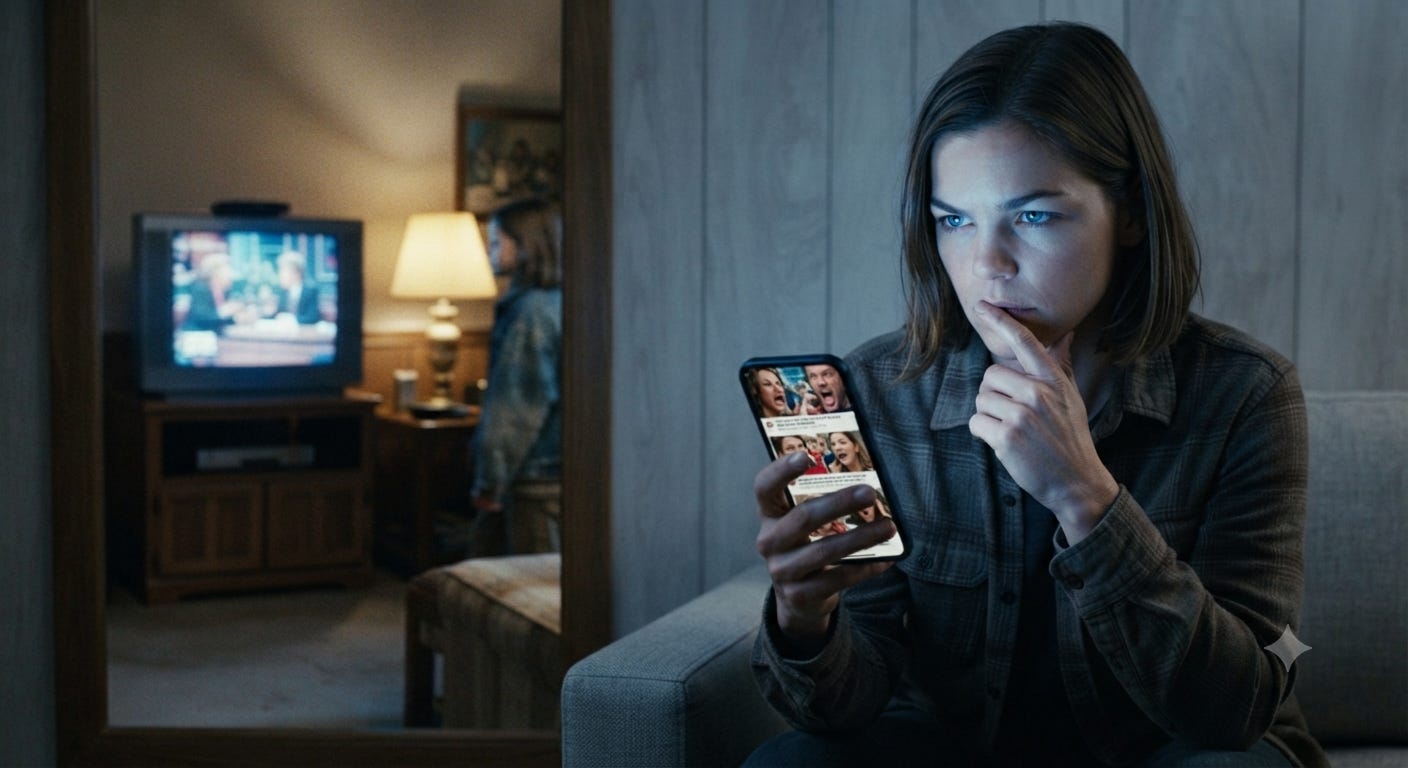
I still think about that front door sometimes, the key sticking in the cold, the television clicking on before my coat came off. I didn’t know it then, but I was building a skill that would outlast the shows themselves. Springer is gone. Geraldo moved on. The habit stayed.
Good judgment rarely starts with more information. It starts with slowing down long enough to ask why you’re being shown what you’re being shown. Gen X learned that lesson in an empty house, decades before anyone had a name for what an algorithm was. The lesson wasn’t about television. It was about attention, who profits from capturing it, and the discipline required to keep from handing it over for free.
Thanks for Reading
Buy Me A Coffee |Gumroad| Medium